Selling a condo in Miami in 2026 is not the same as selling one three years ago. Buyers have more listings to choose from, lenders are reviewing buildings more closely, and Florida's post-Surfside condo laws have added new documents and new deadlines to almost every resale. None of that means you can't sell well. It means the sellers who get strong offers are the ones who prepare before they list.
This guide walks you through the full process of selling a Miami condo in 2026, step by step: how to read the current market, what to check in your building before you list, how to price, which documents buyers will ask for, what selling actually costs in Miami-Dade, and how to move from accepted offer to closing without surprises. If you own a unit in Brickell, Edgewater, Downtown, Miami Beach or anywhere in South Florida, this is the roadmap I use with my own sellers.
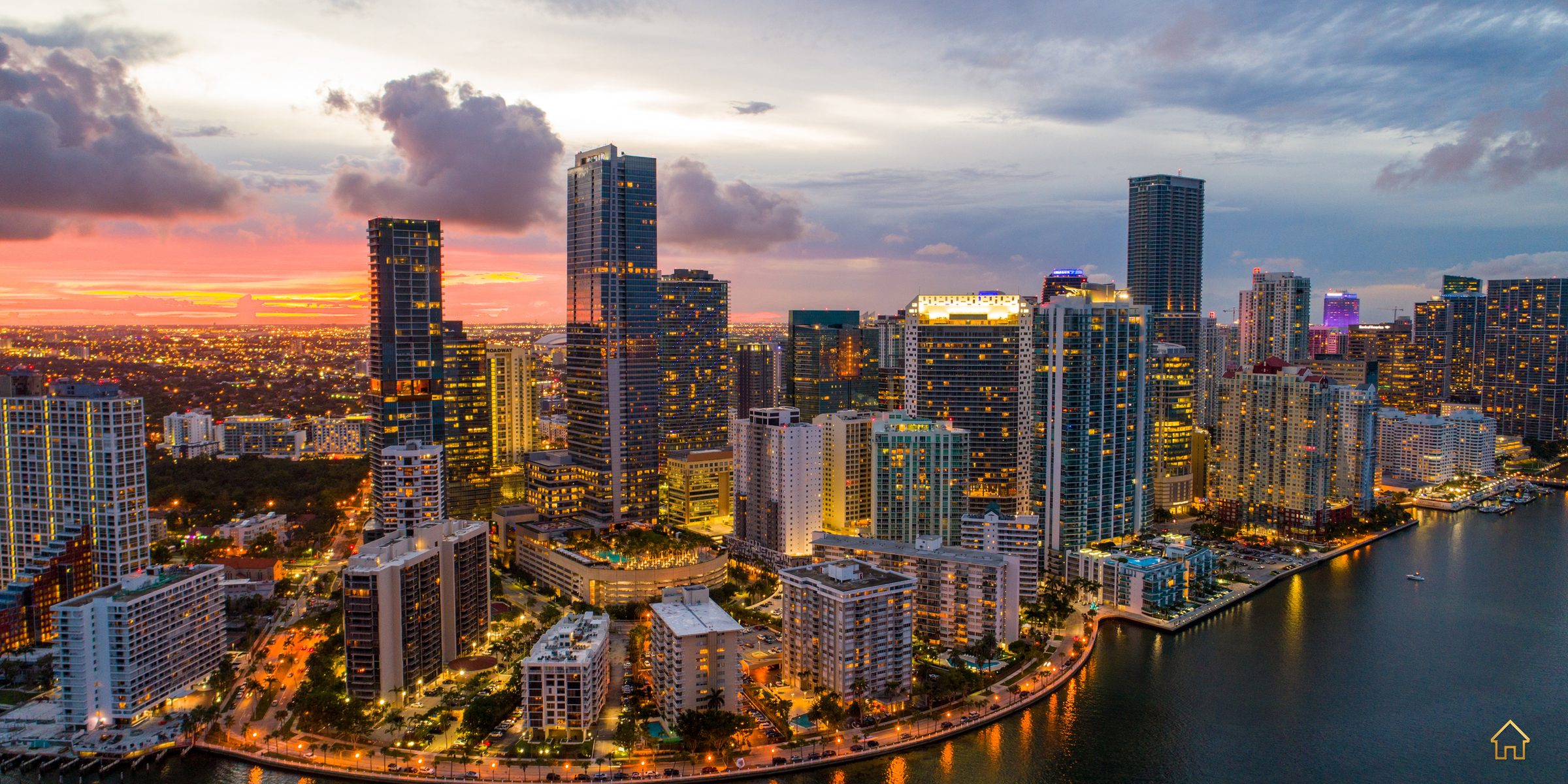
Brickell and the surrounding condo markets are where pricing strategy and building due diligence matter most in 2026.
The Miami Condo Market in 2026: What Sellers Are Facing
The Miami-Dade condo market spent much of 2026 working through a repricing. Reports from the summer showed active condo inventory falling for several consecutive months compared with 2025, which is good news for sellers. At the same time, homes are taking longer to go under contract than they did during the 2021–2022 rush, with days to contract stretching into the 80s in mid-year data, and median condo prices moving in a narrow range around the low $400,000s.
In practical terms, that means three things for you as a seller:
- Buyers compare. With many units available in the same towers and the same price bands, a buyer can usually see three or four alternatives to yours in one afternoon. Your unit has to win that comparison on price, condition or both.
- Time on market is a cost. Every month a unit sits, you keep paying HOA dues, insurance, property taxes and utilities. A realistic price at launch usually nets more than a high price followed by reductions.
- The building is part of the product. In 2026, buyers and lenders look at your association's finances almost as closely as they look at your kitchen. Strong reserves and a clean inspection history are selling points; pending special assessments are negotiation points for the buyer.
Bottom line: Miami is still one of the most in-demand condo markets in the country. Well-priced, well-presented units in financially healthy buildings continue to sell. The difference between a quick sale and a stale listing is almost always preparation and pricing, not luck.
Step 1: Know Your Building Before Buyers Do
Since the Champlain Towers collapse in Surfside in 2021, Florida has rewritten the rules for condominium safety and reserves. As a seller, you don't need to be an engineer, but you do need to know where your building stands before you list, because buyers will find out during their review period.
Milestone inspections
Buildings that are three or more stories tall must complete a structural milestone inspection once they reach a certain age (30 years, or 25 years for buildings near the coast where the local jurisdiction requires it), and then every ten years. Phase one is a visual inspection by a licensed engineer or architect. If it finds signs of substantial structural deterioration, a more detailed phase two follows, and repairs may be required.
Structural Integrity Reserve Study (SIRS)
The SIRS reviews major structural components such as the roof, load-bearing walls, foundation, fireproofing, plumbing, electrical systems, waterproofing, windows and exterior doors, and calculates how much the association needs to save to repair or replace them. Under the updated law, associations can no longer waive or underfund reserves for these structural items. That is good for long-term safety, but in some buildings it has meant higher monthly dues or special assessments.
What to ask your association before listing
- Has the building completed its milestone inspection, if required? Were any repairs ordered?
- Has the SIRS been completed, and are reserves being funded according to it?
- Are there any current or approved special assessments, and how are they being paid?
- Is there any pending litigation involving the association?
- Are there rental restrictions (minimum lease terms, limits on the number of leases per year)?
- What is the approval process for new owners, and how long does it usually take?
Having these answers up front lets you price correctly, answer buyer questions with confidence, and avoid a deal falling apart halfway through because of something that was in the documents all along.
Why this matters for financing: Many buyers use a mortgage, and lenders now take a closer look at a building's finances, reserves, insurance and litigation before approving a loan. If your building has issues that make it harder to finance, your pool of buyers may shrink to mostly cash buyers. I covered this in detail in my guide to the Miami condo financing crisis in 2026.
Step 2: Price It With Data, Not Hope
Pricing is the single biggest decision you will make. In a market where buyers can compare several similar units in the same building, an overpriced listing doesn't just sell slowly; it often helps your neighbors sell faster, because it makes their units look like better value.
A solid pricing analysis for a Miami condo looks at:
- Closed sales in your buildingThe most relevant comparables are recent sales of similar units (same line, size, view and floor range) in your own tower. Adjust for floor level, view, renovations and parking.
- Active and pending competitionWhat is listed right now matters as much as what sold. If six similar units are for sale in your building, your price has to stand out among them.
- Comparable buildings nearbyBuyers rarely look at just one tower. In Brickell or Edgewater, a buyer comparing your unit will also look at similar buildings a few blocks away, with different amenities, dues and ages.
- Monthly costsHOA dues, insurance and any special assessment change what a buyer can afford. Two units with the same price can feel very different if one has much higher monthly costs.
- Days on market and price reductionsIf similar units have been sitting for months or cutting prices, that tells you where buyers actually see value.
Automated online estimates are a starting point at best. They usually can't tell the difference between a renovated corner unit with a bay view and an original-condition unit facing the parking garage in the same building. A professional valuation uses the same data a buyer's agent and an appraiser will use, so your price holds up when it's tested.
If you want to know where your unit stands, you can request a free, no-obligation valuation through my home selling page.
Step 3: Prepare Your Documents Early
Condo sales in Florida involve more paperwork than single-family sales. Gathering it early shortens the time between accepted offer and closing, and shows buyers you are organized and serious.
| Document | Where it comes from | Why it matters |
|---|---|---|
| Declaration, bylaws, rules and amendments | Association / management company | Buyers review them for rental rules, pet policies and restrictions |
| Current budget and financial statements | Association | Shows dues, reserves and financial health |
| Milestone inspection summary and SIRS | Association | Required disclosure for resale buyers under the updated condo law |
| Estoppel certificate | Association, usually ordered by the title company | Confirms dues and assessments owed at closing |
| Association approval application | Association | Many buildings must approve new owners before closing |
| Permits for renovations | Seller / city or county records | Unpermitted work can delay or complicate a sale |
Under Florida's updated condominium law, buyers of resale units must receive key association documents, including the milestone inspection summary and SIRS where applicable, and generally have a review period of up to seven business days to cancel the contract after receiving them. Getting the full package to the buyer quickly helps that clock start and finish sooner.
Step 4: Prepare the Unit to Show Well
You don't need a full renovation to sell a Miami condo, but small investments often return more than they cost, especially in a market where buyers compare similar units side by side.
- Declutter and depersonalize. Buyers need to picture themselves living there, and photos need clean lines and open space.
- Fix the obvious. Loose handles, stained grout, damaged blinds, dated light fixtures and scuffed walls are inexpensive to fix and costly to leave.
- Neutral, fresh paint. It's one of the highest-return improvements before listing.
- Lighting and windows. In Miami, the view and natural light are often the main selling points. Clean windows, open blinds and add warm lighting for evening showings.
- Balcony and outdoor space. Clean and simply furnish it. A small table and two chairs help buyers see the space as part of the living area.
- Professional photography and video. Most buyers first see your unit online. Strong photos and a floor plan are no longer optional.
Step 5: Marketing and Showings
A strong marketing plan for a Miami condo combines broad exposure with targeted outreach. That typically includes the MLS (which feeds major real estate portals), professional listing content in English and Spanish, social media and email campaigns, and direct outreach to agents who work the building and the neighborhood. In Miami, international buyers are a meaningful part of the market, so presenting the listing well for Latin American and European buyers can widen your pool.
Showings in condo buildings have their own logistics: front-desk access lists, elevator reservations, parking for visitors and building rules about lockboxes. A well-coordinated showing plan avoids lost appointments and frustrated buyers.
Step 6: Offers and Negotiation
When offers come in, the highest price isn't automatically the best offer. Look at the full picture:
- Financing type. A cash offer avoids appraisal and lender building review risk. A financed offer may be higher but depends on the loan and the building's eligibility.
- Deposit size. A larger escrow deposit usually signals a more committed buyer.
- Timeline. Does the closing date work with your plans, including where you're moving next?
- Contingencies. Inspection, financing and appraisal periods all affect how certain the deal is.
- Requests. Credits for repairs, furniture included or special assessment responsibilities can all be negotiated.
One topic that often comes up in Miami in 2026 is who pays for an approved special assessment. There is no single rule: it depends on the contract and on negotiation. Disclosing the assessment clearly and deciding your position before you list makes the conversation much easier.
Step 7: Association Approval, Inspection and Closing
After you accept an offer, the buyer will typically schedule an inspection, review the association documents, apply for association approval if your building requires it, and, if financing, complete the appraisal and loan approval. The title company orders the estoppel certificate, runs title and lien searches, and prepares the closing statement.
Many Miami condo sales close in roughly 30 to 60 days after contract, depending on financing and how quickly the association processes its approval. Building approval timelines vary widely, which is another reason to ask your association about the process before you list.
What It Costs to Sell a Condo in Miami-Dade
Every sale is different, but these are the main costs Miami-Dade condo sellers should plan for:
| Cost | Who typically pays | Notes |
|---|---|---|
| Real estate commission | Seller (negotiable) | Commissions are negotiable. Since 2024, buyer-agent compensation is negotiated and documented separately. |
| Documentary stamp tax on the deed | Seller (customary) | In Miami-Dade, $1.05 per $100 of the sale price for condos and other properties; $0.60 per $100 for single-family homes. |
| Owner's title insurance | Buyer (customary in Miami-Dade) | Unlike most Florida counties, the buyer customarily pays in Miami-Dade, but it can be negotiated. |
| Estoppel certificate fee | Usually the seller | Charged by the association to confirm what is owed. |
| Title, settlement and lien search fees | Varies by contract | Ask your title company for an estimate early. |
| Prorated taxes, dues and assessments | Split by date | Property taxes and HOA dues are prorated to the closing date. |
| Mortgage payoff | Seller | Includes any interest through the payoff date. |
Example: On a $600,000 condo sale in Miami-Dade, documentary stamp tax on the deed would be about $6,300 ($600,000 ÷ 100 × $1.05). Add commission, the estoppel fee, prorations and your mortgage payoff, and you have a realistic picture of your net proceeds before you list.
If you are an international seller: FIRPTA
If the seller is a foreign person for U.S. tax purposes, the Foreign Investment in Real Property Tax Act (FIRPTA) generally requires the buyer, through the closing agent, to withhold 15% of the sale price and send it to the IRS. There are reduced rates and exemptions in some cases, for example when the buyer will use the property as a residence and the price is under certain thresholds, and sellers can apply for a withholding certificate to reduce the amount based on their actual expected tax. Because the amounts are significant, international sellers should speak with a U.S. tax professional well before closing.
Common Mistakes Miami Condo Sellers Make
- Pricing off the highest sale in the building instead of the most comparable one.
- Ignoring the building's situation and being surprised when a buyer cancels after reading the SIRS or learning about an assessment.
- Listing before documents are ready, which slows the buyer's review and gives them time to keep shopping.
- Poor photos. In a market where buyers start online, weak photos cost showings.
- Waiting too long to adjust. If a listing gets showings but no offers after a few weeks, the market is giving feedback.
Sell or Rent Out Your Condo?
Some owners consider renting instead of selling, especially when prices feel soft. Renting can make sense if your building allows it, the numbers work after dues, insurance, taxes and vacancy, and you don't need the equity now. It makes less sense if your building has rental restrictions, if upcoming assessments will raise your costs, or if you'd rather redeploy the capital. Running both scenarios side by side, with real numbers for your building, usually makes the decision clear.
Frequently Asked Questions
How long does it take to sell a condo in Miami in 2026?
It depends on price, condition and the building. Mid-2026 market data showed condos taking longer to go under contract than in prior years, often around two to three months, with closing typically 30 to 60 days after that. Well-priced units in healthy buildings can move much faster.
Do I have to disclose a special assessment?
Yes. Buyers receive the association's documents and financial information, and approved assessments will show up there and in the estoppel certificate. Being upfront about them builds trust and avoids last-minute renegotiation.
Who pays the documentary stamp tax when selling a condo in Miami-Dade?
By custom, the seller pays the documentary stamp tax on the deed. In Miami-Dade, the rate for condos is $1.05 per $100 of the sale price.
Can I sell my condo if my building hasn't finished its SIRS or milestone inspection?
You can still sell, but buyers and lenders will ask about it, and some buyers may be unable to get financing. Knowing the status and timeline before listing helps you price and market the unit realistically.
Should I renovate before selling?
Usually not a full renovation. Focus on paint, repairs, lighting, cleaning and professional photos. Larger upgrades only make sense when similar renovated units in your building are selling for meaningfully more.
This article is for general information only and is not legal or tax advice. Rules and costs can change; confirm the details of your sale with your title company, attorney or tax advisor.
Thinking About Selling Your Miami Condo?
Every building in Miami has its own story: its finances, its rules, its buyer profile. The right strategy for your sale starts with understanding yours. I'm a bilingual real estate advisor with Berkshire Hathaway HomeServices EWM Realty, and I help owners price smart, market strategically and close on their terms.
Find Out What Your Condo Is Worth
Get a free, no-obligation valuation and a selling plan built around your building and your timeline.
Get My Free Valuation