Neighborhood Guide
Coral Gables
The part of Miami that doesn't feel like Miami — banyan-shaded streets, coral rock walls, and a century-old design code that still decides what your house is allowed to look like.
Scroll
Neighborhood Guide
The part of Miami that doesn't feel like Miami — banyan-shaded streets, coral rock walls, and a century-old design code that still decides what your house is allowed to look like.
Overview
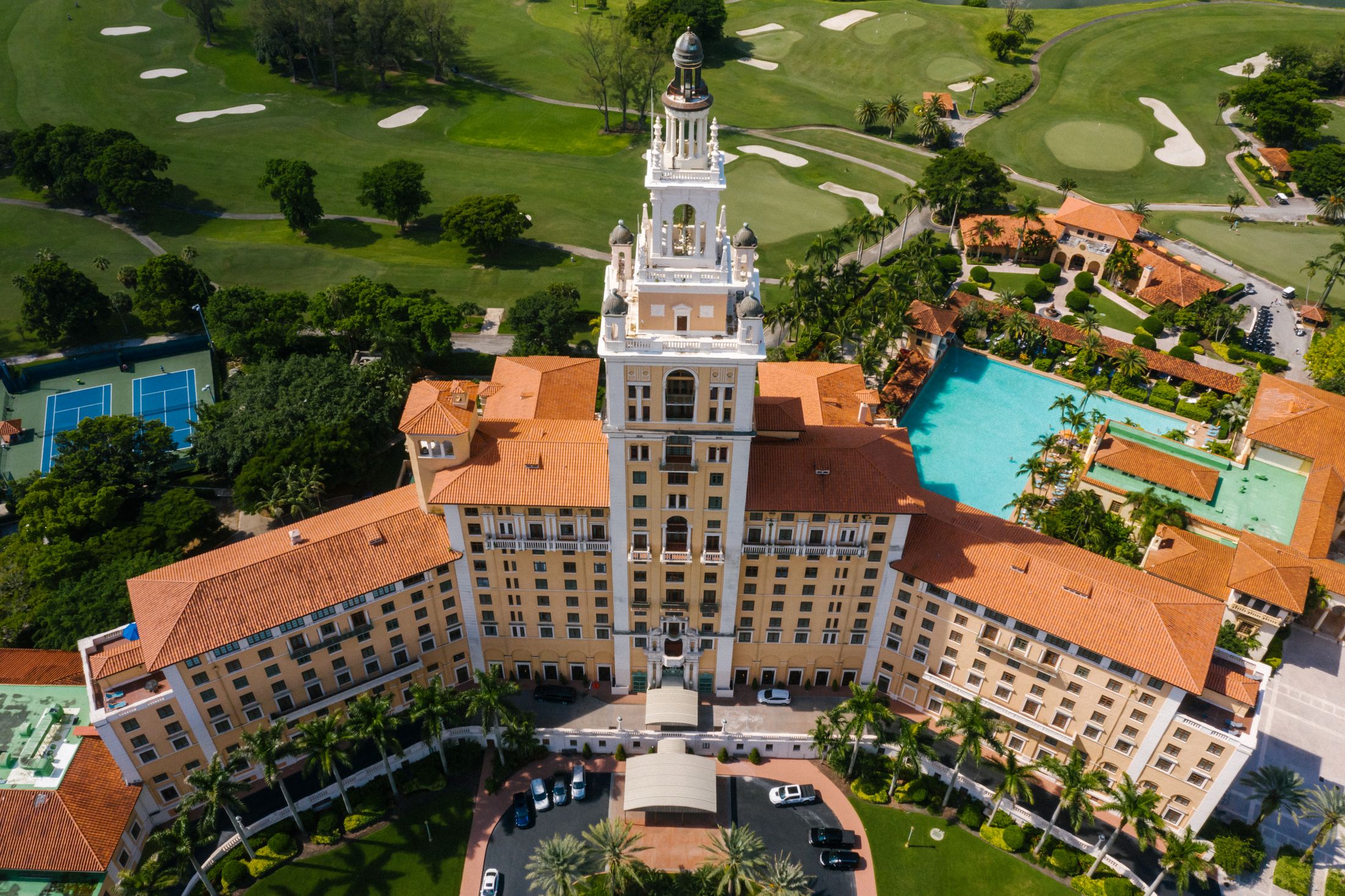
Coral Gables was master-planned in 1925 by George Merrick, who wrote the aesthetic into law: Mediterranean Revival architecture, generous setbacks, tree-lined streets. A century later, that framework still governs the city — which is exactly why it held its character while much of Miami rebuilt itself repeatedly around it.
The numbers
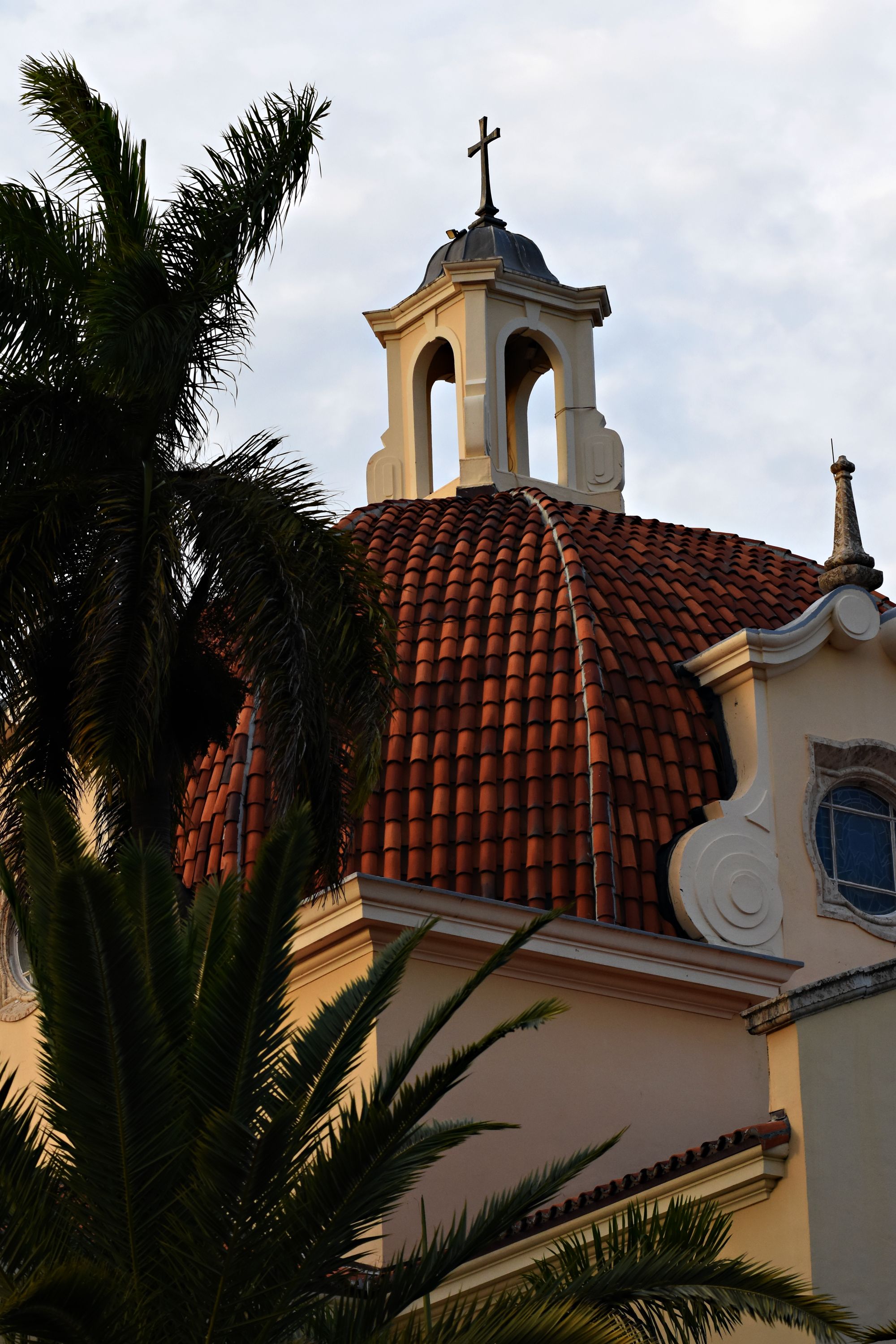
Design rules you don't get to skip.
Inside Coral Gables
The top of the market — gated, guarded, waterfront. Deep-water access and minimal turnover; this is a multi-year search, not a weekend one.
Classic Coral Gables — tree-lined streets, Mediterranean and mid-century homes near the golf course and University of Miami.
Waterfront at a somewhat lower entry point than the gated enclaves, with strong recent appreciation.
The walkable heart of the city — restaurants, shops, and the most accessible entry point into a Coral Gables address.

Worth knowing
Coral Gables maintains a Board of Architects that reviews exterior changes — paint, roofing, windows, fences, even significant landscaping. It's the mechanism that protects the aesthetic everyone is paying for, but it also means renovation here costs more and takes longer than comparable work elsewhere in Miami. Budget for that before falling for a fixer-upper.
Before you buy
The difference between neighborhoods here is larger than the maps suggest, and permit history matters more than in most markets. Let's talk about what fits.